
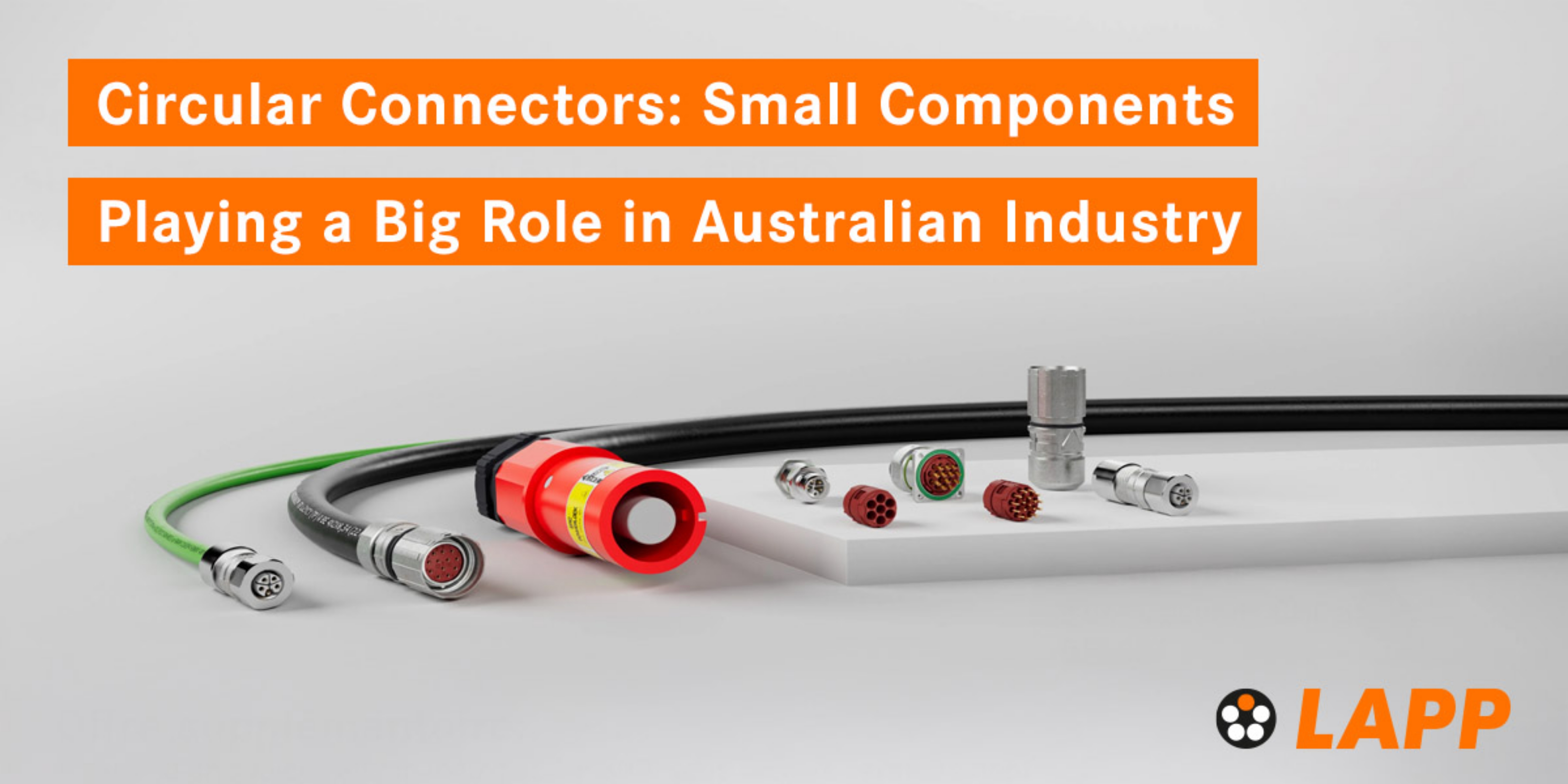
From food and beverage production lines to robotics, renewable energy and advanced manufacturing, circular connectors play a critical role in Australia’s industrial automation landscape.
Designed to transmit power, signals and data reliably in compact and demanding environments, circular connectors are widely specified where space constraints, vibration resistance and long-term reliability matter.
As Australian manufacturers continue to invest in automation, smaller machine footprints and higher uptime expectations, circular connectors are increasingly becoming a preferred choice across many industrial applications.
Built for industrial conditions
Unlike household connectors, industrial circular connectors are engineered and tested to meet international standards such as IEC 61984. These standards address higher electrical loads, mechanical stress and environmental exposure.
In industrial environments, connectors must operate reliably in the presence of vibration, temperature variation, moisture, oils and electromagnetic interference. Consistent performance over repeated connection cycles is essential.
This robustness explains their widespread use in servo motors, automated production equipment and motion control systems, where compact design and secure locking mechanisms are required.
Where circular connectors are used in Australia
Across Australia, circular connectors are commonly specified in:
- General and special-purpose machinery
- Automotive and advanced manufacturing
- Conveyor and materials handling systems
- Food and beverage processing
- Industrial robotics
- Energy and infrastructure projects
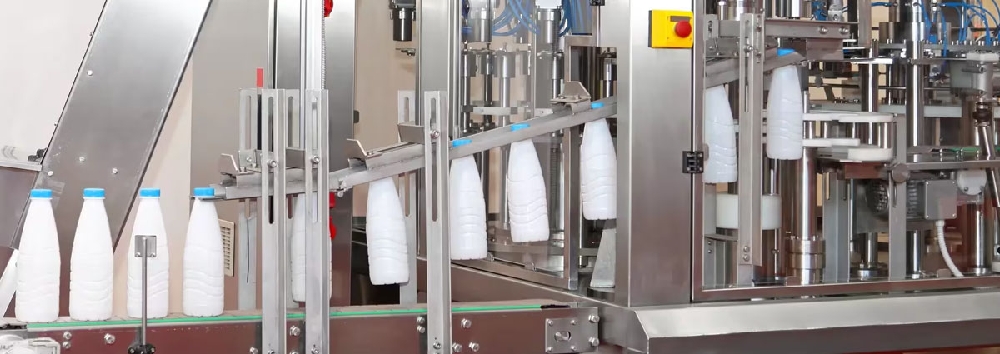
In automated bottling and packaging plants, for example, servo motors rely on circular connectors to transmit power, feedback and control signals with millimetre-level accuracy, cycle after cycle.
In these environments, signal interruptions or power loss can result in downtime. Circular connectors provide a stable, vibration-resistant interface that supports consistent output, including in high-speed applications.
Power, signal and high-current applications
Modern circular connector ranges typically support three key application types:
Signal Transmission
Designed to transmit feedback and control signals reliably, even at low voltages and currents. High-quality contact systems and effective EMC shielding help maintain signal integrity in electrically noisy environments.
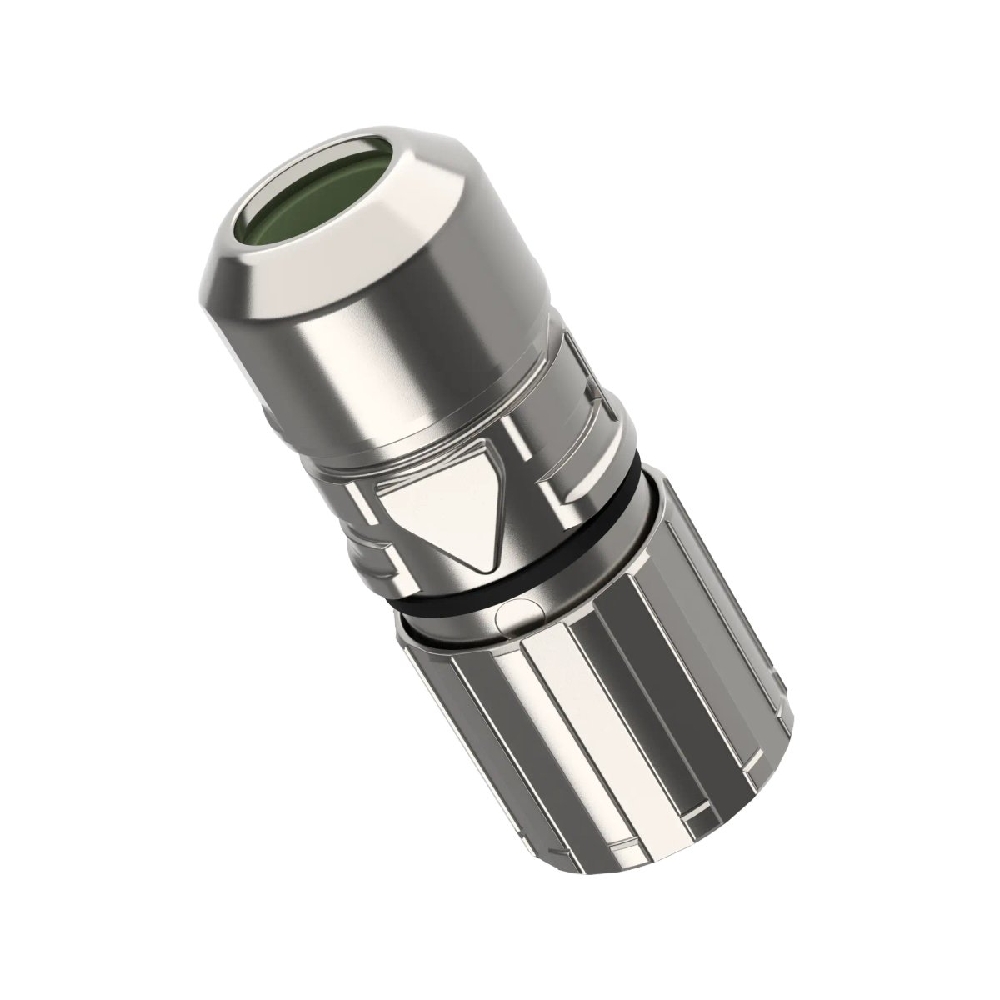
Power Transmission
Focused on delivering high electrical performance within minimal installation space. Common features include integrated strain relief, protective earth connections and durable contact materials, making them suitable for servo motors, robotics and compact machinery.
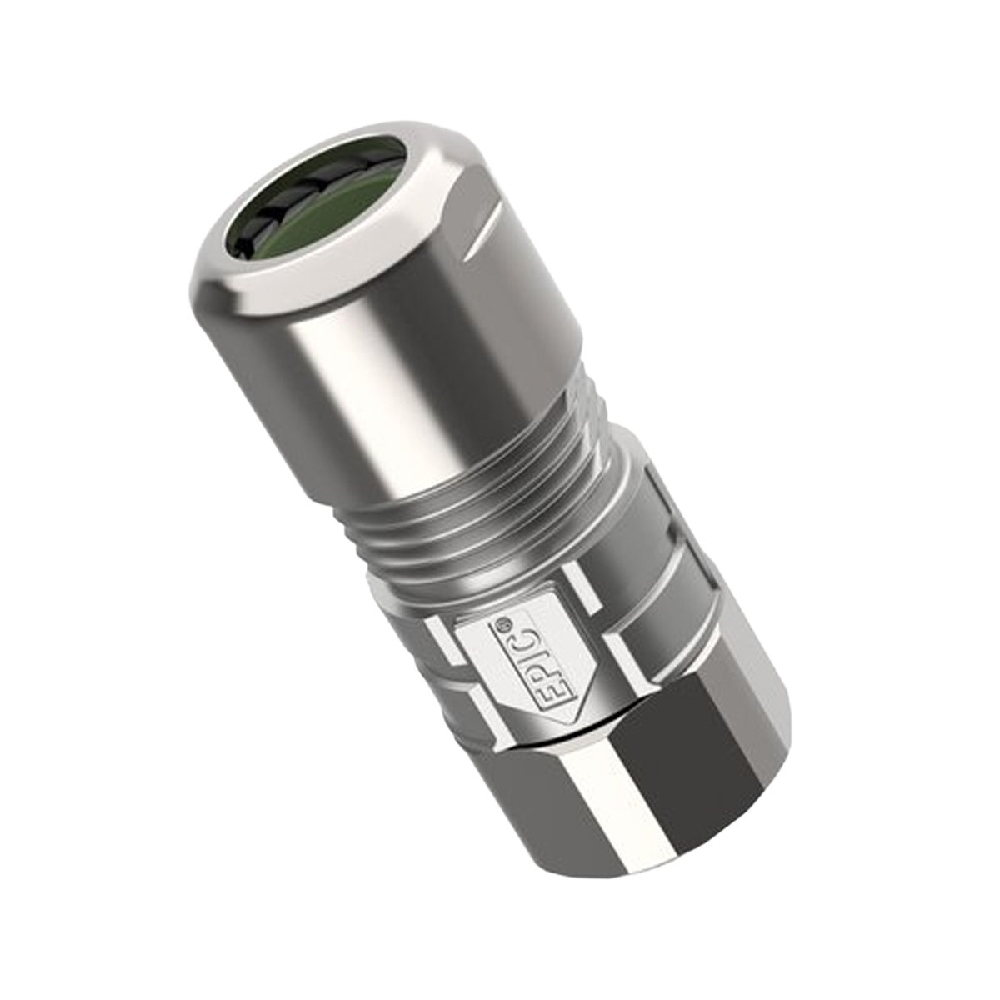
High-Current Power Distribution
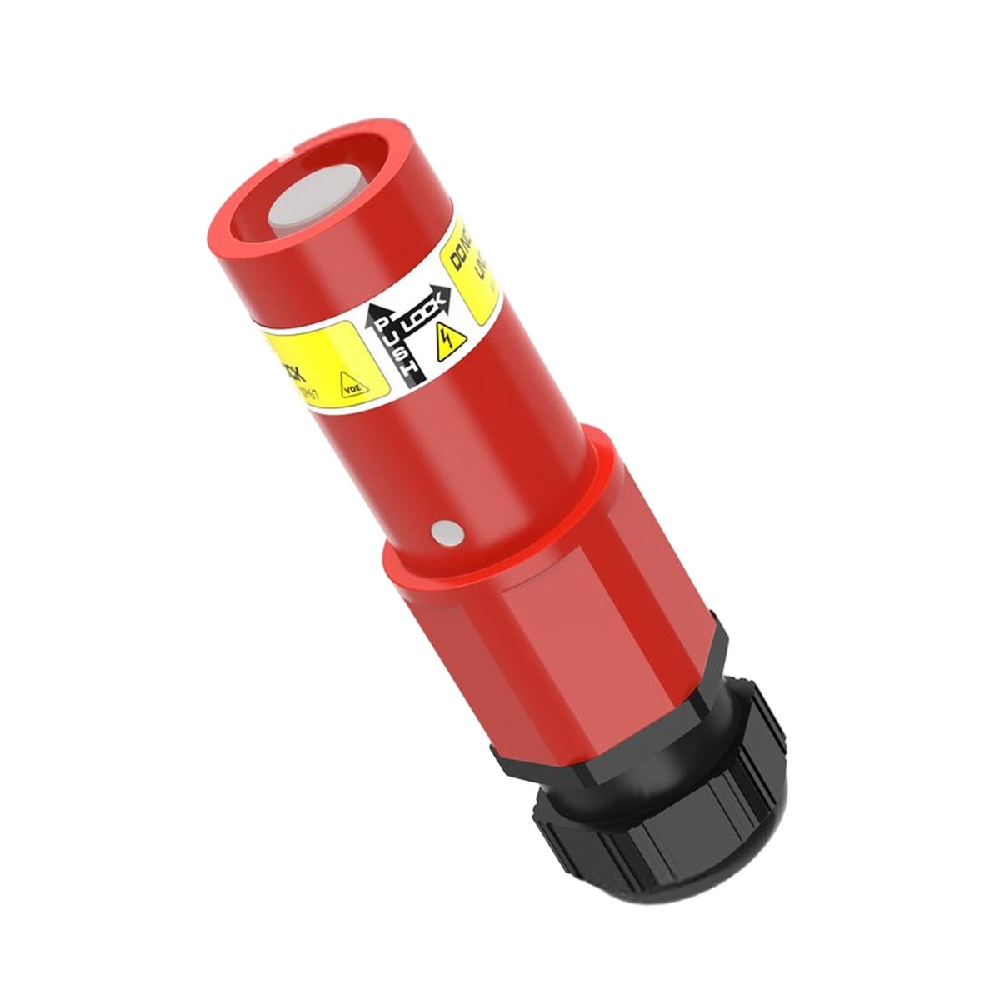
Single-pin circular connectors are increasingly used for high-current applications such as mobile generators, temporary power installations and industrial energy infrastructure. Colour and geometric coding helps reduce the risk of incorrect connections in safety-critical environments.
Why Circular Connectors are Gaining Adoption
Several characteristics continue to drive the uptake of circular connectors across Australian industry:
- Compact, space-saving design
- High resistance to vibration and mechanical stress
- Protection against dust, moisture and chemicals
- Strong EMC performance using metallic housings
- Secure locking for long-term operation
In many applications, circular connectors offer effective sealing and handle mechanical stress more efficiently than larger or rectangular connector types. This makes them particularly suitable for food processing, mining-adjacent industries and outdoor installations.
Inside the connector: what matters
While the external form factor is important, internal design has a significant influence on performance and safety. Industrial circular connectors typically consist of:
- A housing that provides mechanical protection and environmental sealing
- An insulating contact insert that secures contacts and prevents leakage currents
- Male and female contacts designed for low insertion force and stable conductivity
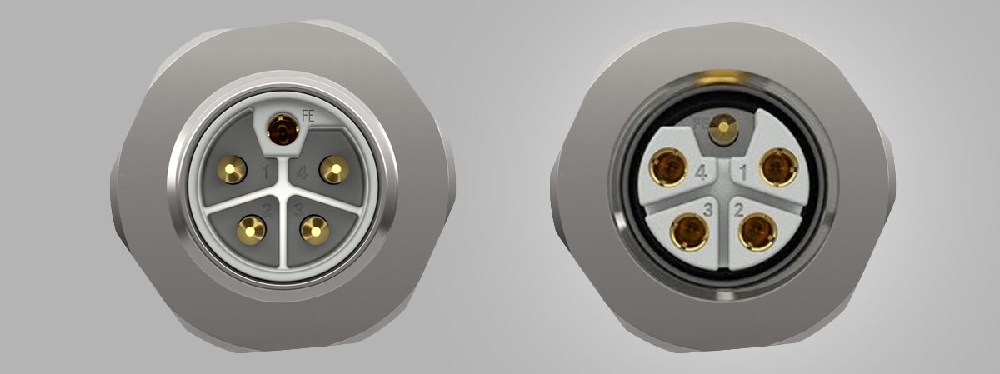
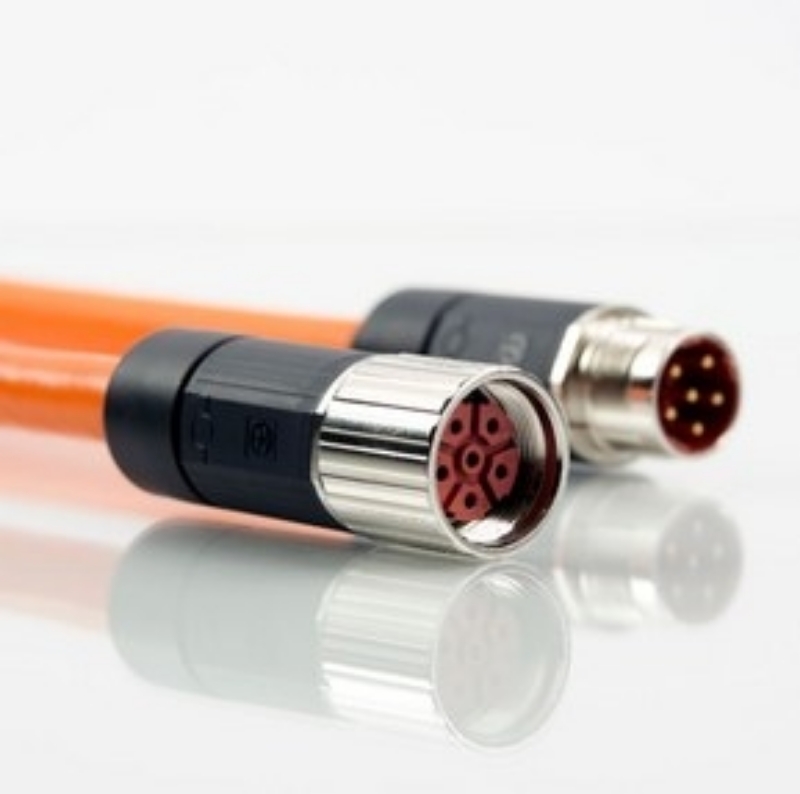
Coupling connector with male contacts, left, and with female contacts, right
Pole configuration is another key consideration. The number, size and type of contacts determine voltage ratings, current capacity and whether power, signal and protective earth conductors can be combined within a single connector.
As systems become more compact, there is growing demand for connectors that support mixed power and signal requirements without compromising performance or safety.
A small component with growing importance
As Australian industry continues to invest in automation, electrification and smarter manufacturing, circular connectors are set to play an increasingly important role behind the scenes.
While they may not be the most visible component in a machine, connector performance has a direct impact on uptime and reliability. Selecting the right connector early can help reduce risk and support long-term system performance.
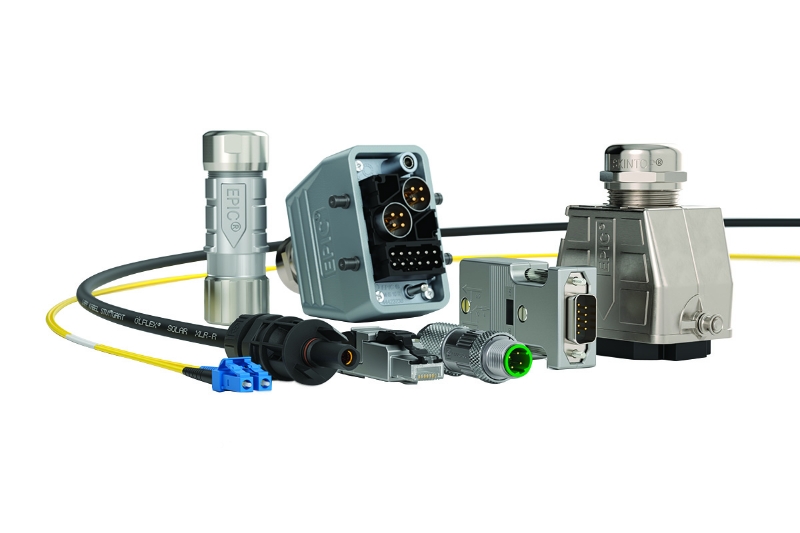
EPIC® circular connectors from LAPP Australia
LAPP Australia’s EPIC® circular connector range offers a broad portfolio designed to suit a wide variety of industrial applications. Many products are locally stocked, supporting fast delivery across Australia.
View the EPIC® circular connector range at lappaustralia.com.au