

If you are building machines in Australia for the North American market, compliance is one of the biggest risks to your timeline.
Get it wrong and you face delays, failed inspections, or costly rework on-site. Get it right early and your machine moves through approval faster.
What is UL?
UL (Underwriters Laboratories) is a North American safety certification body that tests and approves electrical components for use in machinery and industrial equipment.
For Australian machine builders, UL certification confirms that cables and components meet the safety requirements expected across the United States.
You will often see:
- UL Listed – approved for standalone products
- UL Recognised (UR) – approved as components within a system (most cables fall into this category)
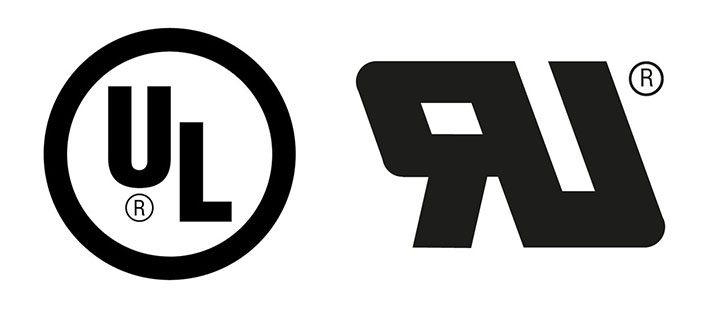
Why use UL Listed or UL Recognised components?
Using UL-approved cables is one of the simplest ways to reduce export risk.
Here’s why it matters:
- Required for approval
Many US inspectors and end users expect UL-compliant components - Avoid rework on-site
Non-compliant cables are often removed and replaced - Faster commissioning
Fewer issues during inspection and sign-off
- Lower project risk
Reduces delays and unexpected costs - Widely accepted standard
Recognised across North American industries
Simple reality: A machine can perform perfectly and still fail if the cable is not UL compliant.
Where UL apply in your machine
Compliance is not limited to one component.
It typically affects:
- Control panels and internal wiring
- Motor and servo cables
- Drag chain and continuous flex applications
- Industrial Ethernet and data cables
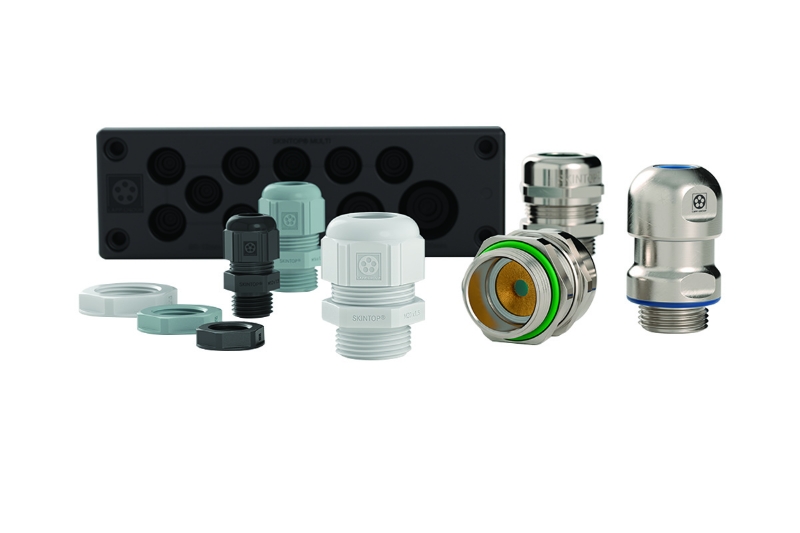
- Cable glands and connectors
Common mistakes Australian machine builders make
- Assuming IEC or CE compliance is enough
- Using non-UL control cables in panels
- Selecting the wrong cable type for the installation method
- Mixing compliant and non-compliant components
- Leaving compliance checks too late
Tip: Lock in compliant components during design, not at final assembly.
How LAPP Australia supports UL compliance
LAPP Australia offers a wide range of cables and connectivity products with UL approvals, all available locally in Australia.
Key UL product areas
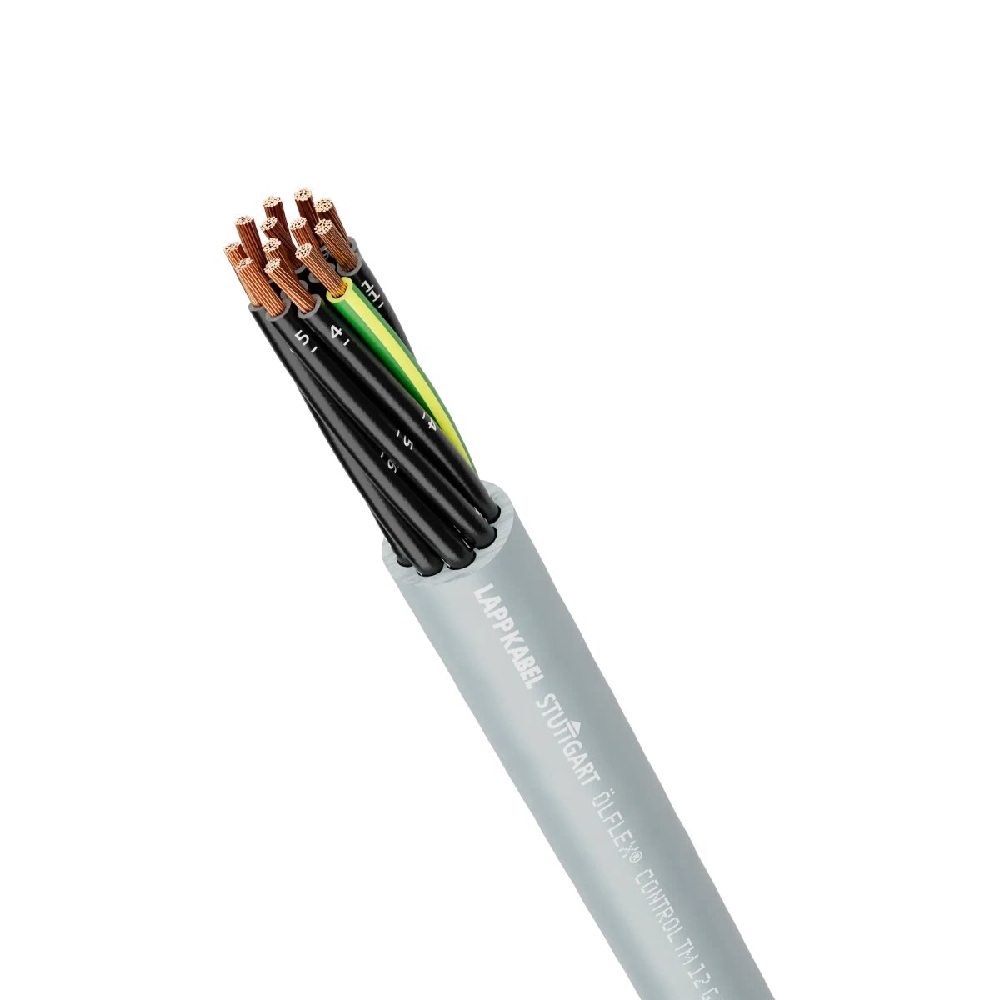
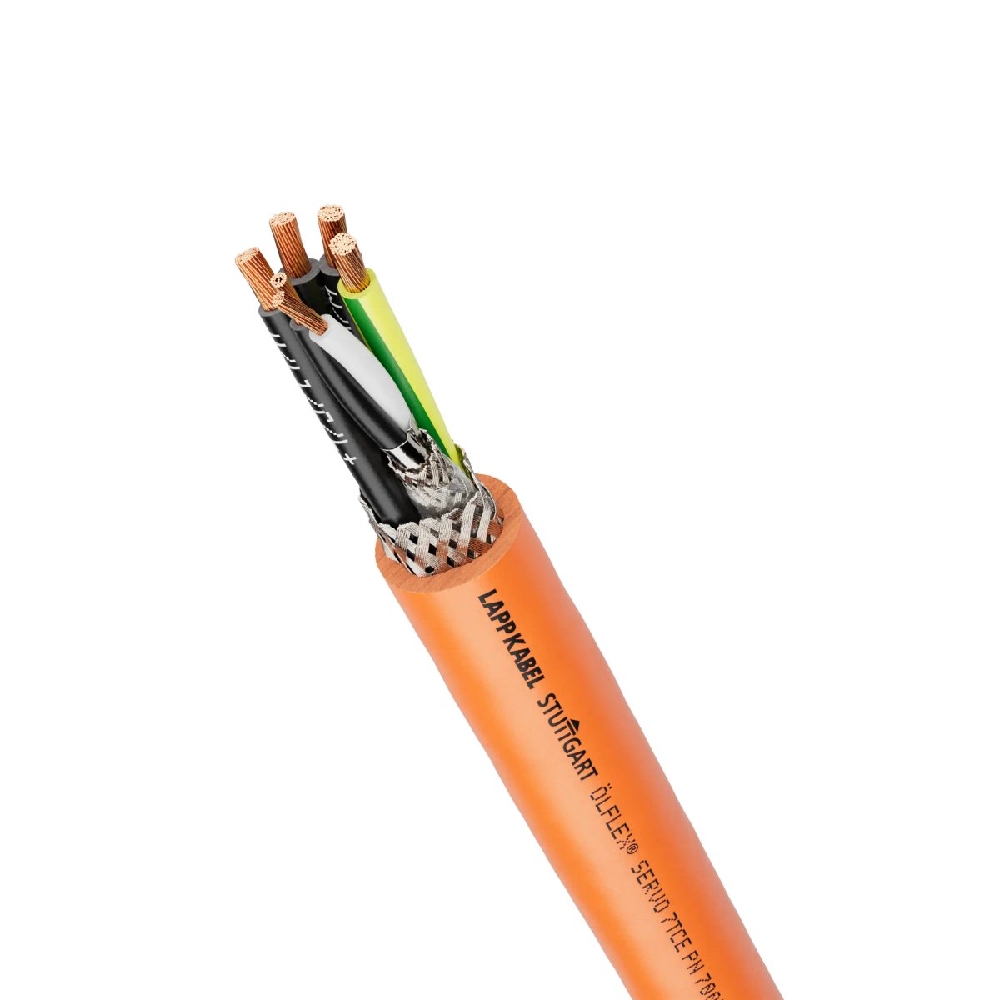
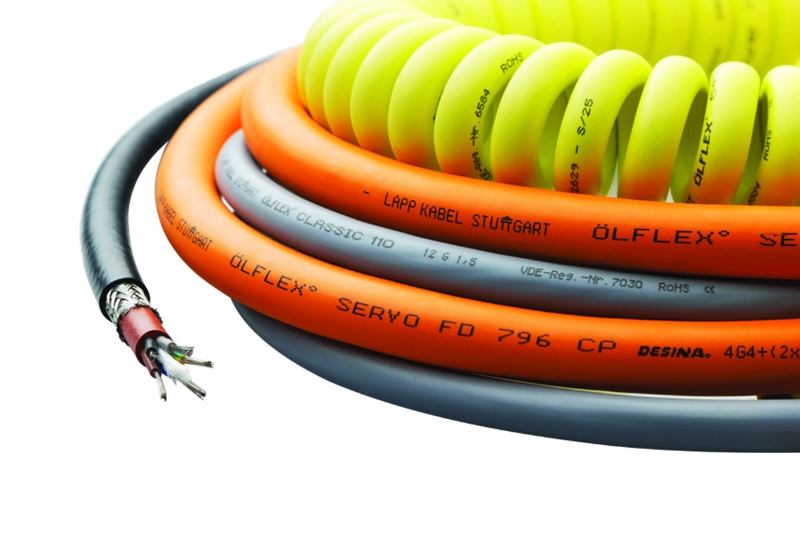
Servo and motor cables
Designed for drives and motion systems with shielding for EMC performance
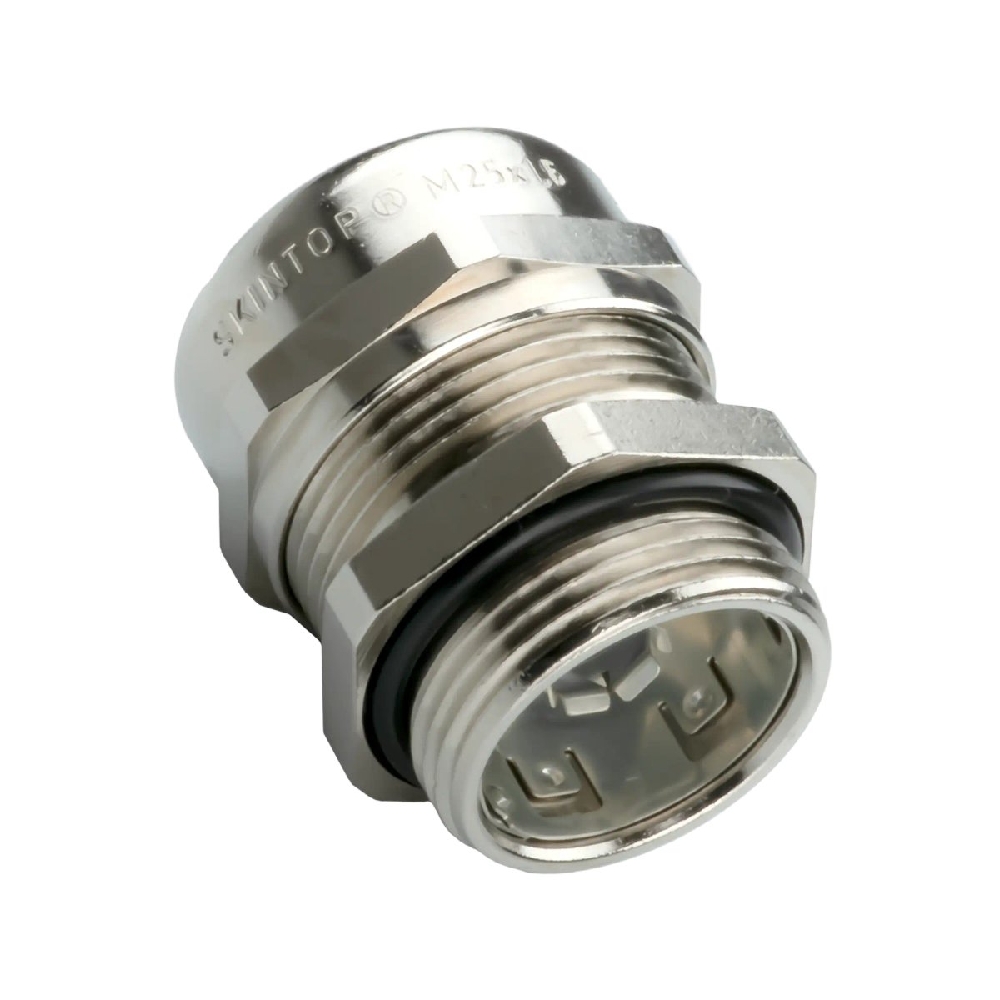
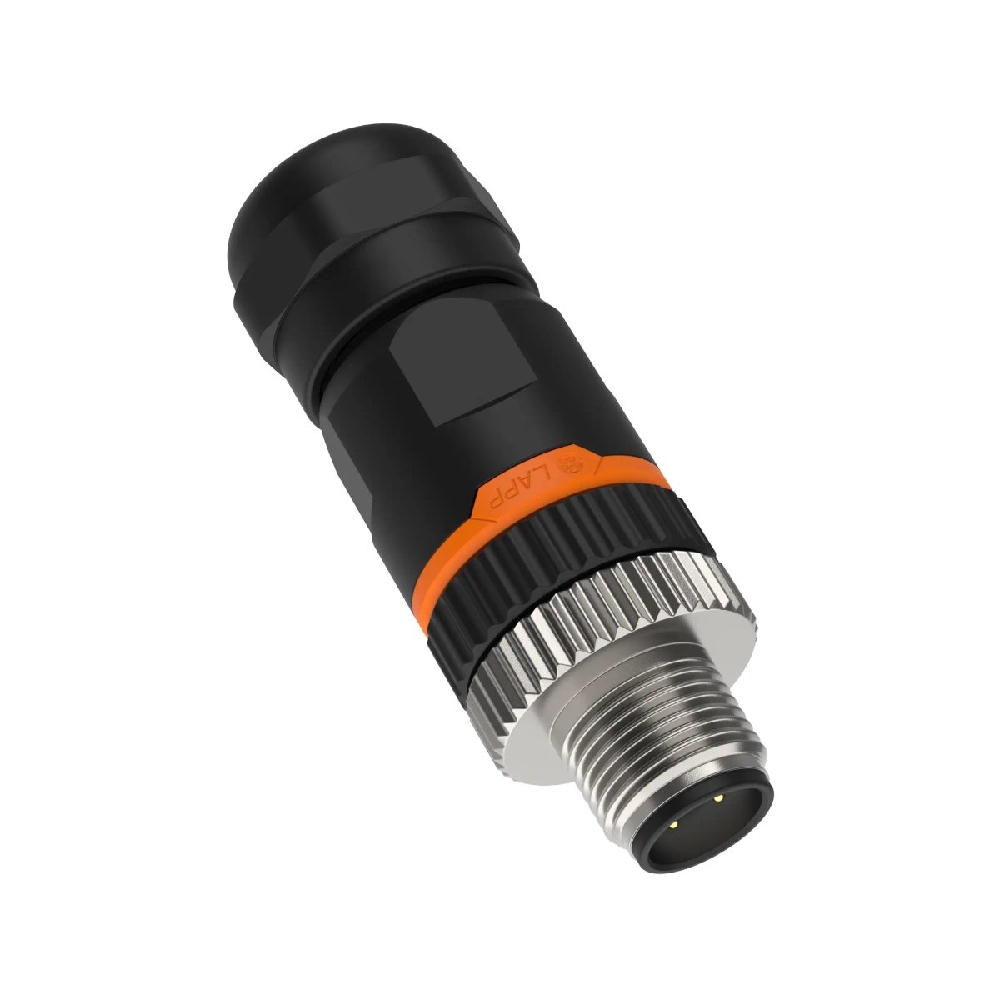
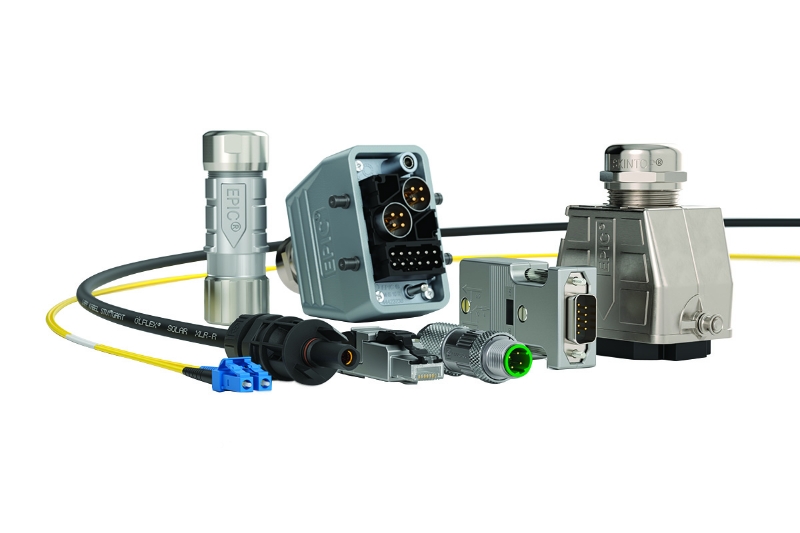
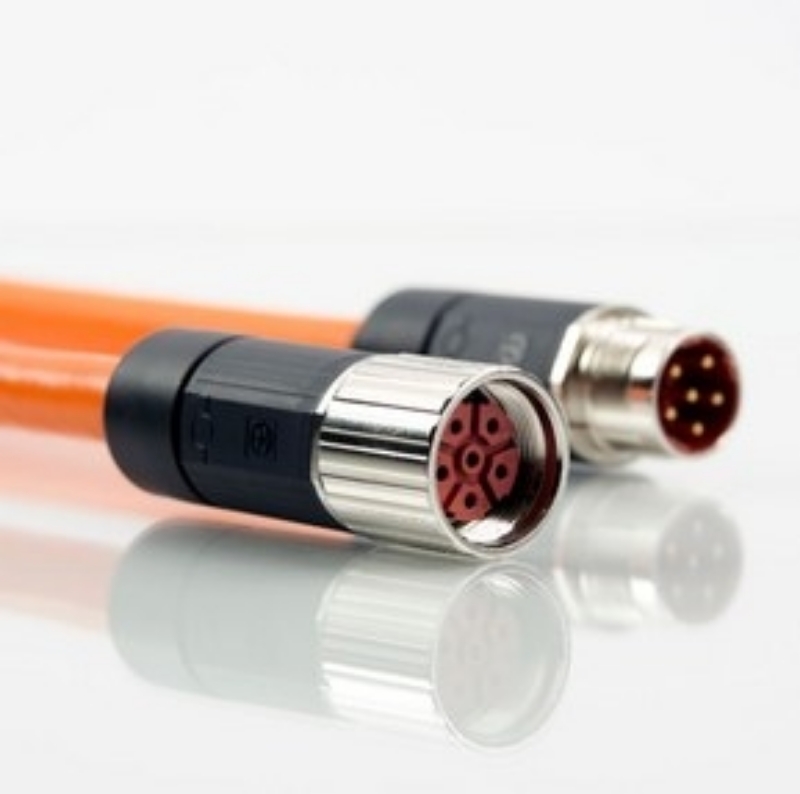
Industrial connectors (EPIC)
Robust connectors with UL approvals for machine connectivity
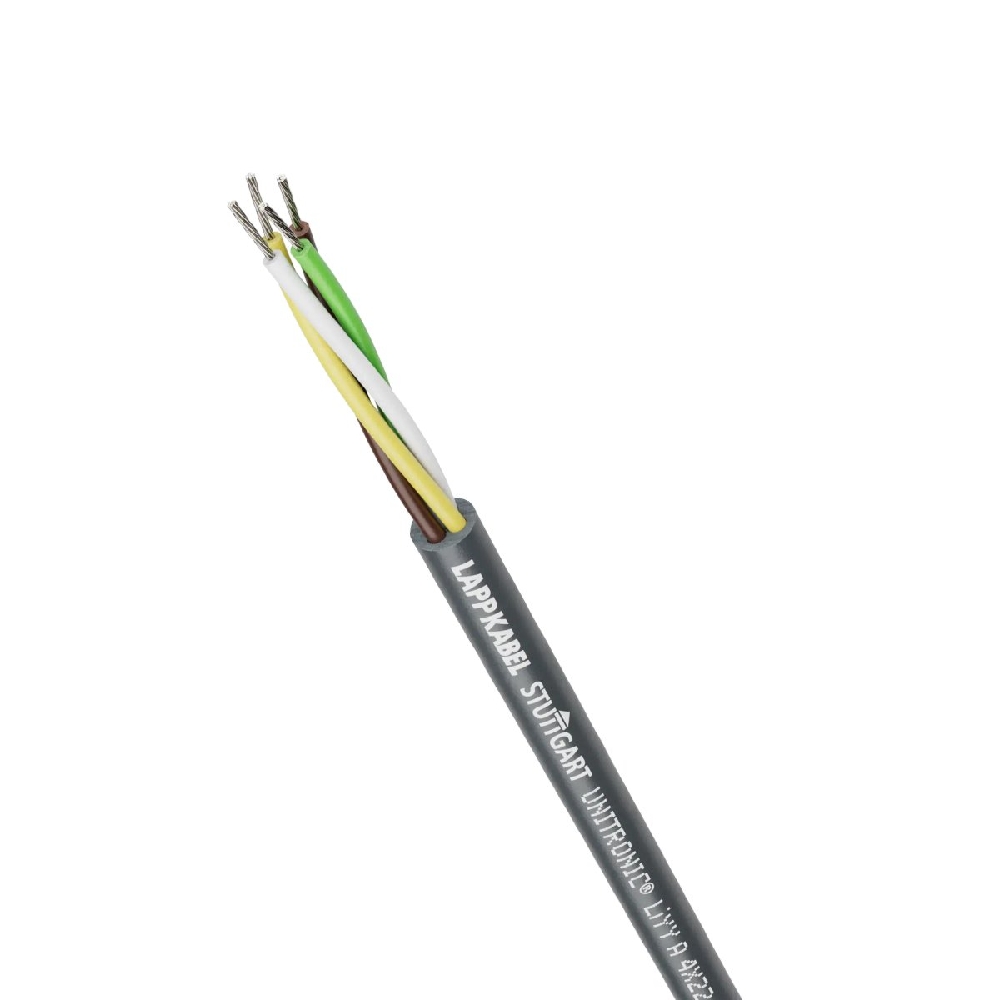
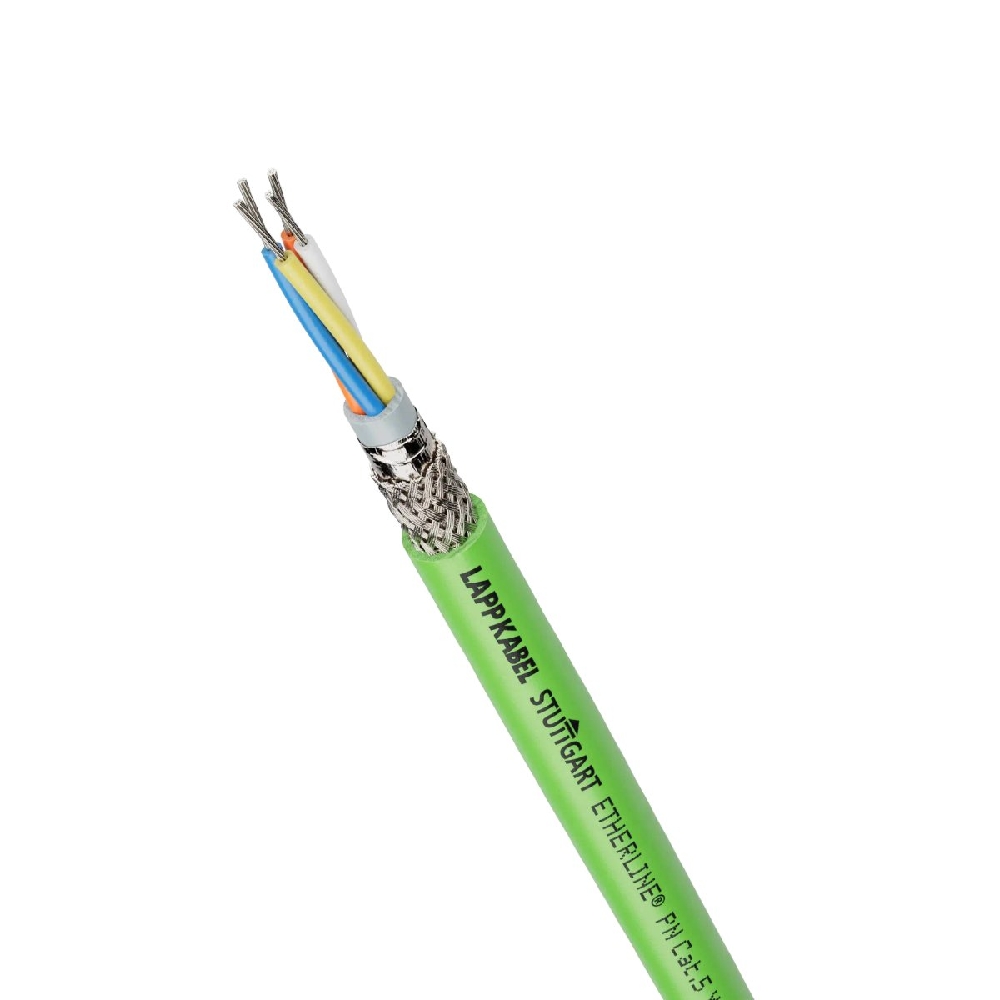
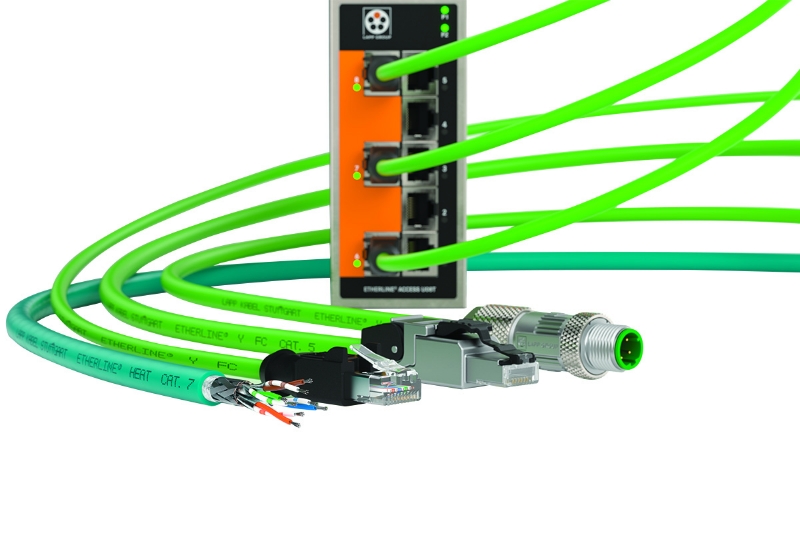
Industrial Ethernet (ETHERLINE)
Reliable data cables for automated systems with UL approvals
Need help selecting UL Products for a US-bound machine? Read our UL Product Selection Guide for Australian Machinery Exporters
Planning a machine for export in the next 3–6 months? Contact LAPP Australia and lock in UL-compliant cables before your design is finalised.