
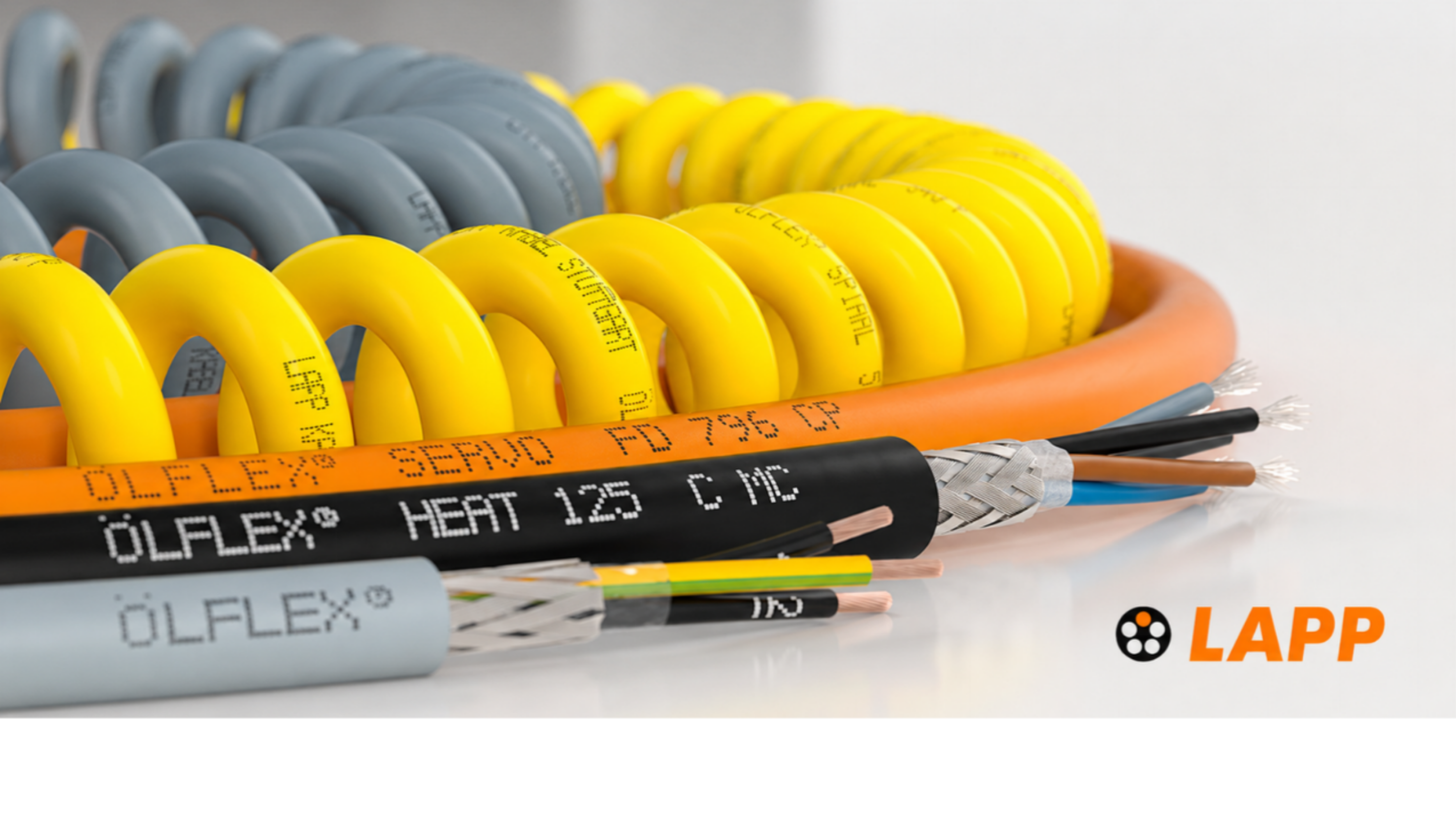
Control Cables for Machinery and Industrial Automation
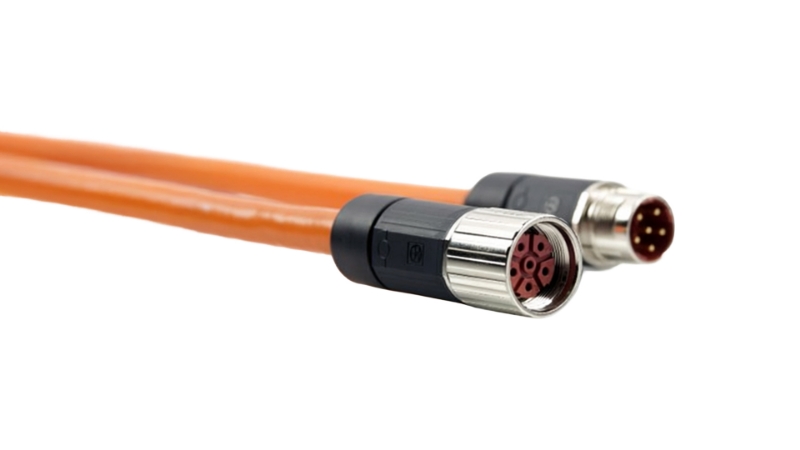
Reliable control cables carry electrical signals between control panels, machinery and industrial automation equipment.
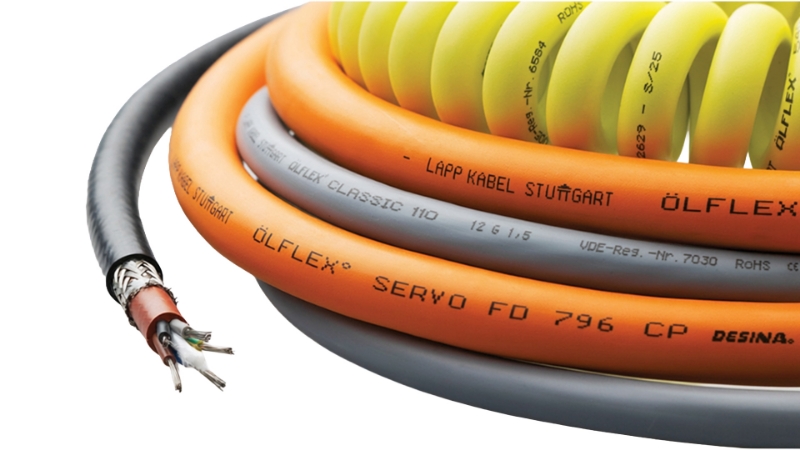
LAPP supplies a wide range of ÖLFLEX® control cables for fixed and flexible installations. Options include screened and unscreened cables, colour-coded and number-coded cores, multicore constructions, UV-resistant cables and products for demanding operating conditions.
Available in various conductor sizes, core configurations and cable constructions, our control cables support machine builders, panel builders, OEMs and industrial manufacturers across Australia and New Zealand.
Browse the control cable range below or speak with our technical team for help selecting the right cable for your application.
What is a Control Cable?
A control cable carries electrical signals between control devices, control panels and machinery components. Typical connections include switches, relays, contactors, sensors, motors and automated equipment.
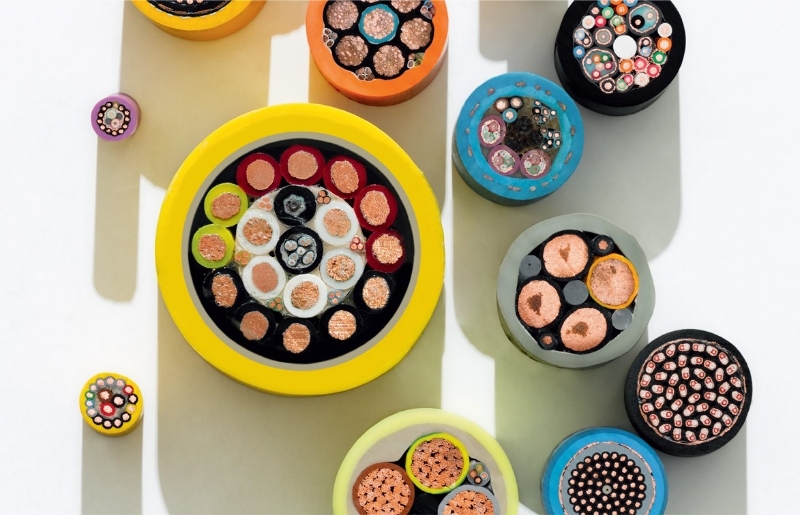
Control cables commonly contain several insulated conductors within one outer sheath, making them suitable for applications requiring multiple control circuits.
Depending on the installation, a control cable may also need screening for EMC protection, increased flexibility, oil resistance, UV resistance, low-temperature performance or international approvals.
Types of Control Cables
LAPP offers control cables for a wide range of industrial applications, including flexible multicore control cables, screened and unscreened cables, UV-resistant options, LSZH cables and control cables for machinery and automation systems.
Screened or Unscreened Control Cable?
An unscreened control cable is suitable for many general machinery and control-panel applications where electromagnetic interference is low.
A screened control cable includes an additional conductive screen that helps protect signals from electromagnetic interference. Screened cables are often used near motors, drives, power cables and other equipment that may generate electrical interference.
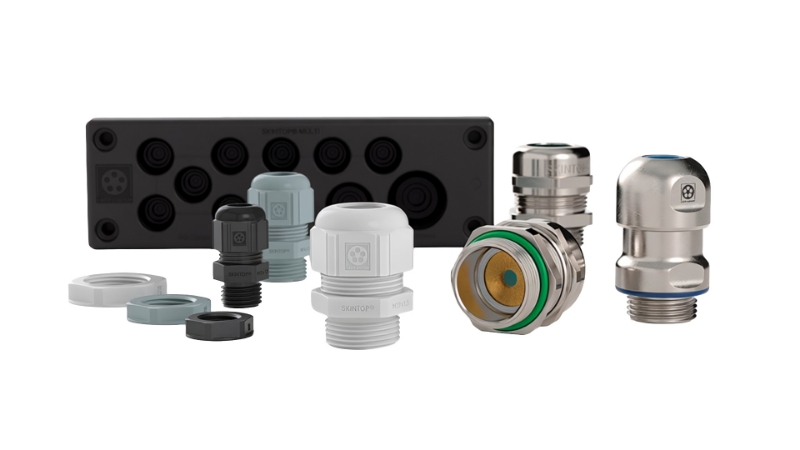
Correct termination of the cable screen and a suitable EMC cable gland will help maintain screening performance throughout the installation.
Control Cable Applications
LAPP control cables are suitable for a wide range of industrial applications including:
Machinery and machine building
Industrial automation systems
Control panels and electrical cabinets
Manufacturing and processing equipment
HVAC and building control systems
Pumps, motors and industrial equipment
Food and beverage manufacturing
Materials handling equipment
Outdoor machinery and equipment
Choosing the Right Control Cable
Selecting the right control cable depends on the electrical and mechanical requirements of the application.
Number of cores
Conductor cross-section
Voltage rating
Fixed or flexible installation
Screened or unscreened construction
Oil and chemical resistance
Indoor or outdoor installation
UV resistance
Temperature range
Required international approvals
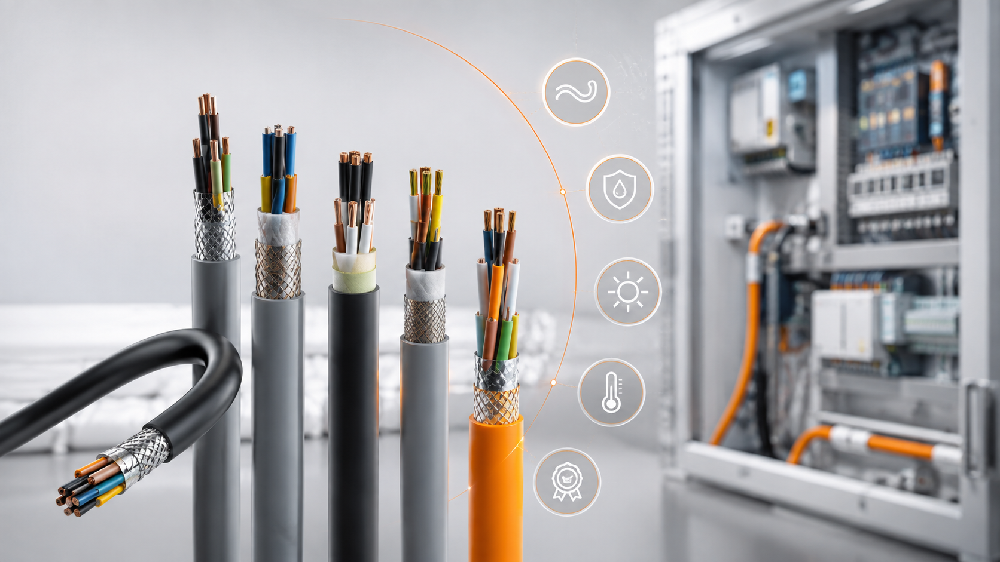
Standard flexible control cables are suitable for fixed and occasional flexing applications. Machinery involving continuous movement may require a highly flexible drag chain cable made for repeated bending cycles.
Popular ÖLFLEX® control cable families
Explore suitable starting points, then check each product's datasheet and stock availability before ordering.
.png)
ÖLFLEX® CLASSIC 110
Flexible grey control cable for standard machinery and control panel applications.
View cable range.png)
ÖLFLEX® CLASSIC 110 CY
Grey screened control cable where electromagnetic compatibility is a consideration.
View cable range.png)
ÖLFLEX® CLASSIC 110 BK
Black-sheathed flexible control cable. Check the datasheet for exposure requirements.
View cable range.png)
ÖLFLEX® CLASSIC 115 CY BK
Black screened control cable for applications requiring a screened construction.
View cable range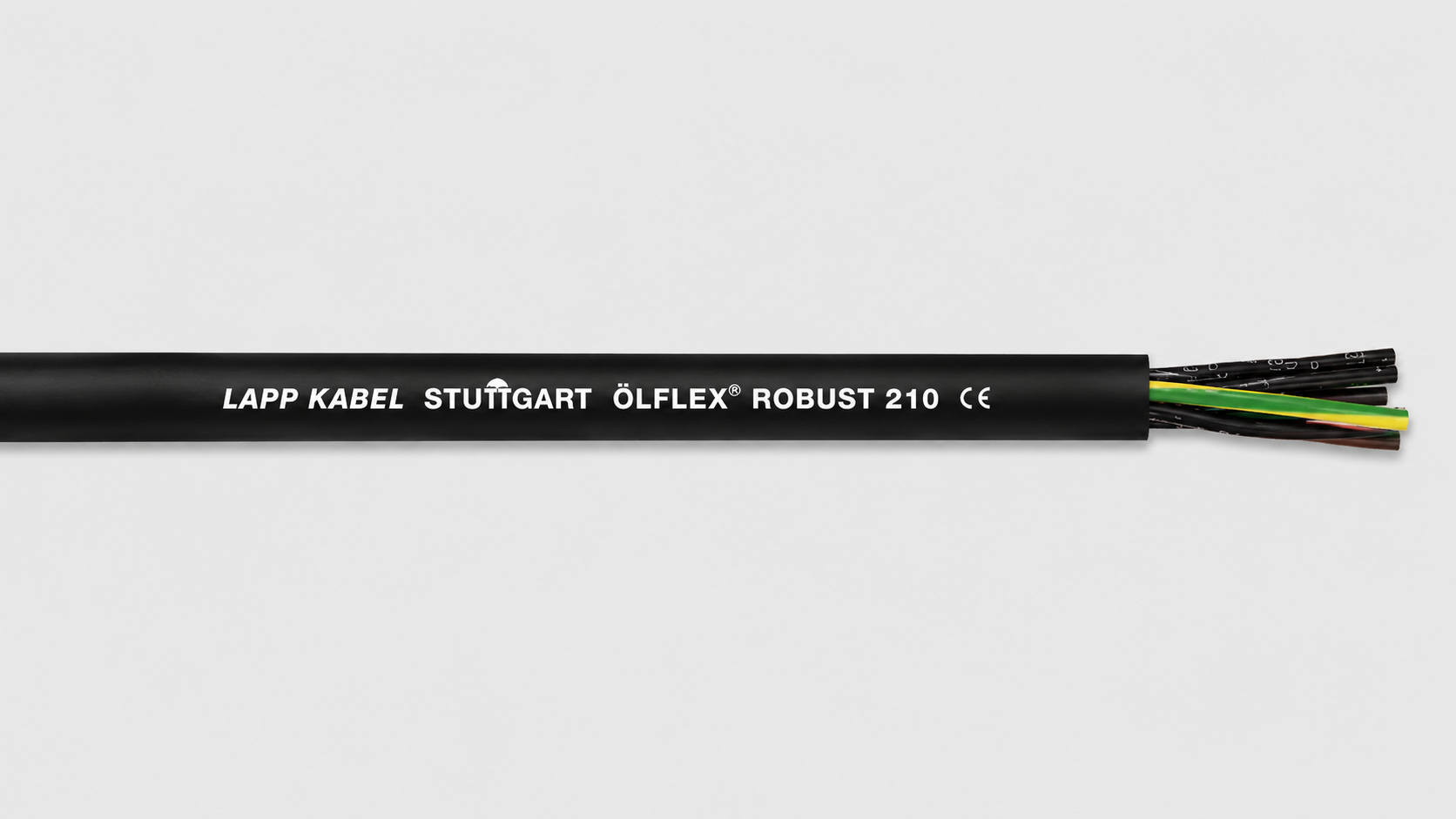
ÖLFLEX® ROBUST 210
Unscreened flexible control cable family for more demanding industrial conditions.
View cable range.png)
ÖLFLEX® ROBUST 215 C
Screened control cable option for challenging industrial environments.
View cable rangeCompare control cable options
A simple guide to narrowing down a suitable family. Refer to the individual product datasheet for voltage ratings, dimensions, approvals and installation limits.
| ÖLFLEX® FAMILY | CONSTRUCTION | SHEATH / TYPE | TYPICAL SELECTION CONSIDERATION | EXPLORE |
|---|---|---|---|---|
| ÖLFLEX® CLASSIC 110 | Unscreened | Grey | Flexible grey control cable for standard machinery and control panel applications. | View range |
| ÖLFLEX® CLASSIC 110 CY | Screened | Grey | Grey screened control cable where electromagnetic compatibility is a consideration. | View range |
| ÖLFLEX® CLASSIC 110 BK | Unscreened | Black | Black-sheathed flexible control cable. Check the datasheet for exposure requirements. | View range |
| ÖLFLEX® CLASSIC 115 CY BK | Screened | Black | Black screened control cable for applications requiring a screened construction. | View range |
| ÖLFLEX® ROBUST 210 | Unscreened | Robust | Unscreened flexible control cable family for more demanding industrial conditions. | View range |
| ÖLFLEX® ROBUST 215 C | Screened | Robust | Screened control cable option for challenging industrial environments. | View range |
Frequently Asked Questions
When should I choose a screened control cable? +
Screened control cables are considered where electromagnetic interference could affect control signals. The right option depends on the equipment, installation and termination method.
What's the difference between power and control cables? +
Control cables are commonly used for switching and control functions, while power cables supply electrical energy. The construction and rating required depend on the application.
Can a standard flexible cable be used in a drag chain? +
Not automatically. Continuous-flex applications usually require a cable engineered and rated for repeated bending. Check the product datasheet and application requirements.
Which specifications should I check first? +
Check the number of cores, conductor cross-section, rated voltage, mechanical duty, sheath properties, temperature range and applicable approvals. LAPP's technical team can help with product selection.
Need help selecting a control cable?
Our Australian team can help you compare ÖLFLEX® cable families, discuss your requirements and find the right available product.