

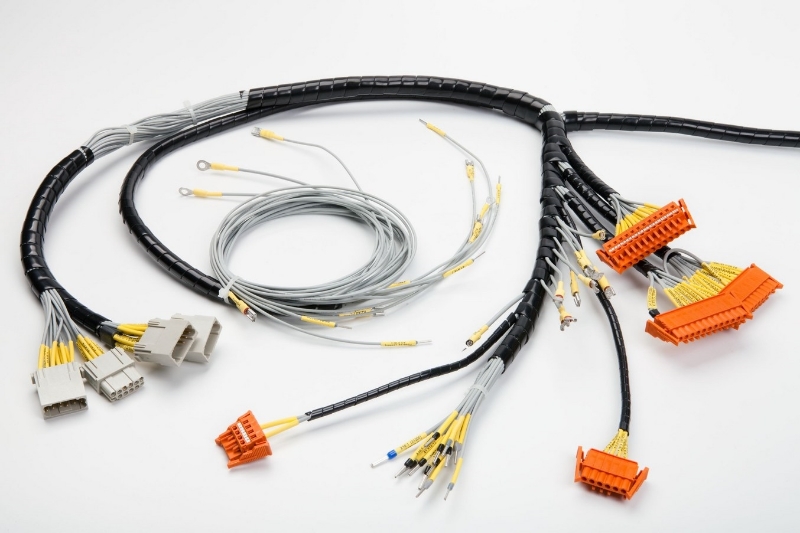


The cheapest option usually looks fine in the beginning. You compare quotes, align on specifications, and everything appears clear. On paper, the harness does exactly what it’s supposed to do. The difference only becomes visible later not during purchasing, but during installation, commissioning, or when a system is already expected to run.
Most of the time, the issues do not come from one big mistake. They come from small decisions that seem reasonable on their own, but start to create friction once everything is put together.
These patterns show up again and again across projects.
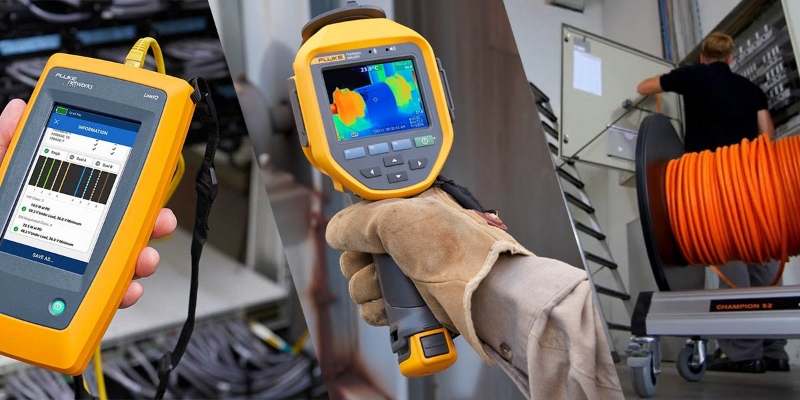
1. Testing is treated as a final step
At first, everything looks correct. The harness meets specifications, connections are in place and basic checks pass. The problems appear later.
A connection behaves differently under load, a signal is not as stable as expected, or something that worked in isolation starts failing within the system. By that point, fixing it is no longer simple.
2. Components come from multiple suppliers
One supplier provides the cables, another supplies the connectors and another handles assembly. It works until something does not.
When issues appear, it is no longer clear where responsibility sits. Time is spent coordinating between parties instead of solving the actual problem.
3. Integration is left to the last moment
On paper, everything fits. During installation, however, components may not align as expected.
Small mismatches turn into adjustments, and those adjustments start to add up. What should have been straightforward becomes something that needs to be resolved on site.
4. One missing part stops everything
A system is nearly complete, and then it waits.
Not because of complexity, but because a single component is delayed or unavailable. At that point, even a small dependency becomes a blocker.
5. “We’ll do it in-house” seems efficient
At the beginning, it often is. Then volumes increase, variants grow and changes start coming in.
What used to be manageable starts taking time away from engineering, production and people who were meant to focus elsewhere. Slowly, it becomes a bottleneck.
Most harnessing issues do not come from dramatic failures. They come from small things that only become visible once everything comes together, at a point when time is limited and changes are harder to absorb.
That is where cost is really created.
Reduce hidden harnessing costs before production
Bring cable selection, connectors, accessories, assembly and testing together with one coordinated solution from LAPP Australia. Address potential issues earlier, reduce rework and keep installation and commissioning on track.